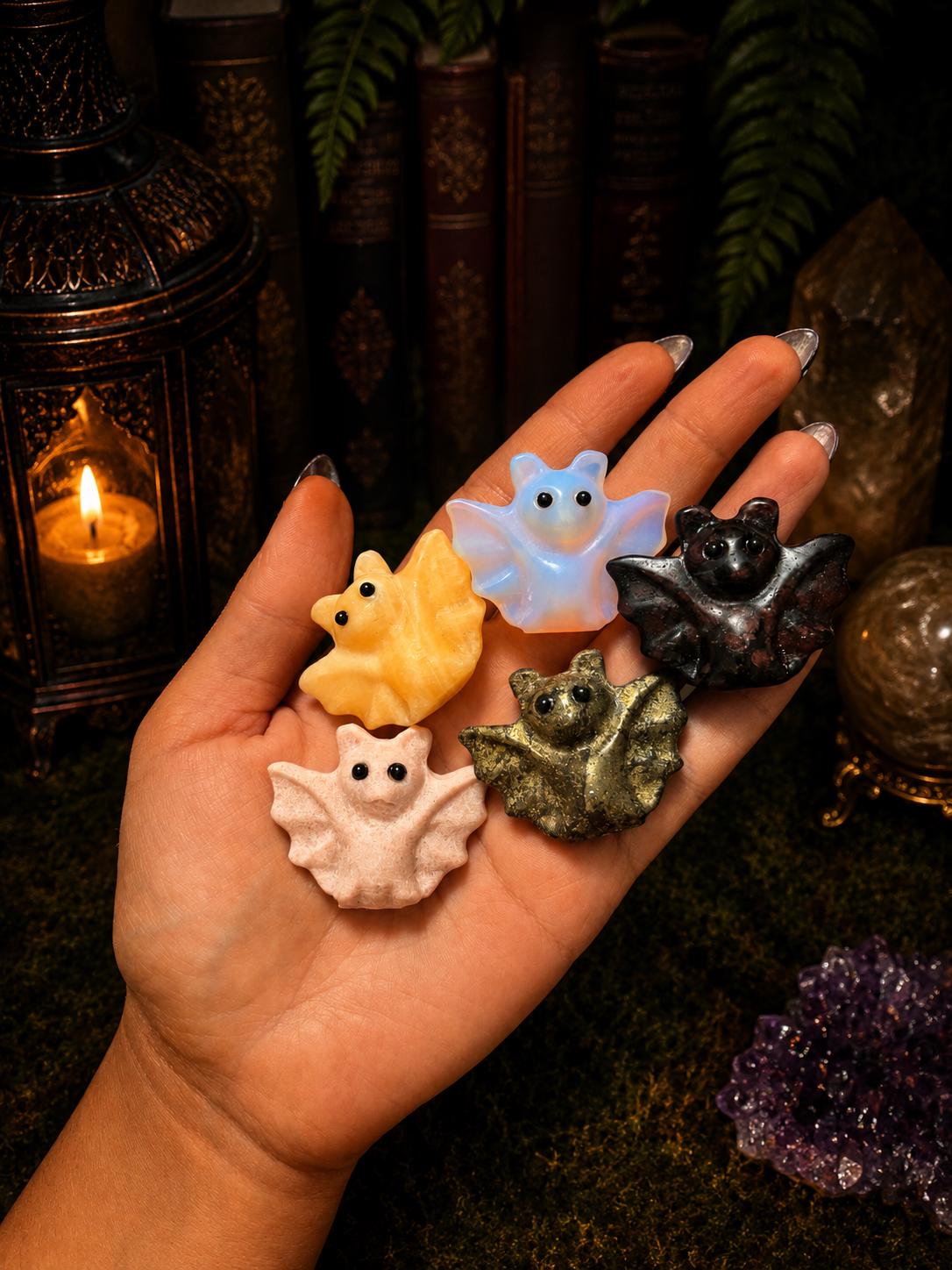
Garnet takes its name from the Latin granatum — pomegranate — because a rough red garnet looks exactly like one of those glistening seeds. People have loved it for a very long time: garnet beads have been found in Bronze Age graves, ancient Egyptian jewelry, and the red-inlaid gold of Anglo-Saxon kings. Travelers carried it for protection on long roads, and it’s been January’s birthstone for centuries.
Traditionally it’s associated with vitality, passion, and steady courage — not the loud kind, the kind that keeps walking. It’s the stone I suggest when someone’s fire has gone quiet and they want it back.
How garnet forms
Garnet is what pressure makes when it’s being creative. Most of the wine-red stones — the almandine and pyrope varieties — crystallize deep in metamorphic rocks, where heat and immense pressure rebuild ordinary minerals into dense, twelve-faced crystals (the cubic system’s rhombic dodecahedron, garnet’s signature shape — the earth cutting its own gems). Garnets are so tough and so dense that when their host mountains erode away, the crystals survive the journey downriver intact, which is why humans kept finding them glittering in streambeds like dropped seeds.
That toughness is also a career: industrial garnet cuts steel in waterjets and coats sandpaper. The stone of inner fire moonlights as the stone that cuts through anything, and I find that continuity poetic.
A little history & folklore
Garnet’s résumé may be the longest in the shop. The name comes from Latin granatum — pomegranate — for the obvious, glistening reason. Bronze Age burials held garnet beads; Egyptian jewelers strung it three thousand years before Rome; and the Anglo-Saxons cut flat red garnets into the gold cloisonné of helmets and sword fittings — the treasures of Sutton Hoo are practically a garnet portfolio. Legend says Noah hung a glowing garnet in the ark for light, and medieval travelers carried it as protection on dark roads, a portable ember against every kind of cold.
Bohemia built a whole industry on its fiery little pyropes in the 18th and 19th centuries; garnet jewelry from that era still circulates, ember-bright after two hundred years. Very few stones have been continuously loved, by everyone, everywhere, for four thousand years. This is one.
Working with garnet
Traditionally garnet is associated with vitality, devotion, and the steady kind of courage — the pilot light that doesn’t blow out. How I use it:
- In depleted seasons, when the to-do list outlasts the energy — tradition hands garnet to the person running on empty and says remember what full feels like.
- On long roads, literal and otherwise: it’s been the traveler’s talisman since travel meant walking.
- Paired with carnelian for fire that starts things, or pyrite when vitality should point at prosperity.
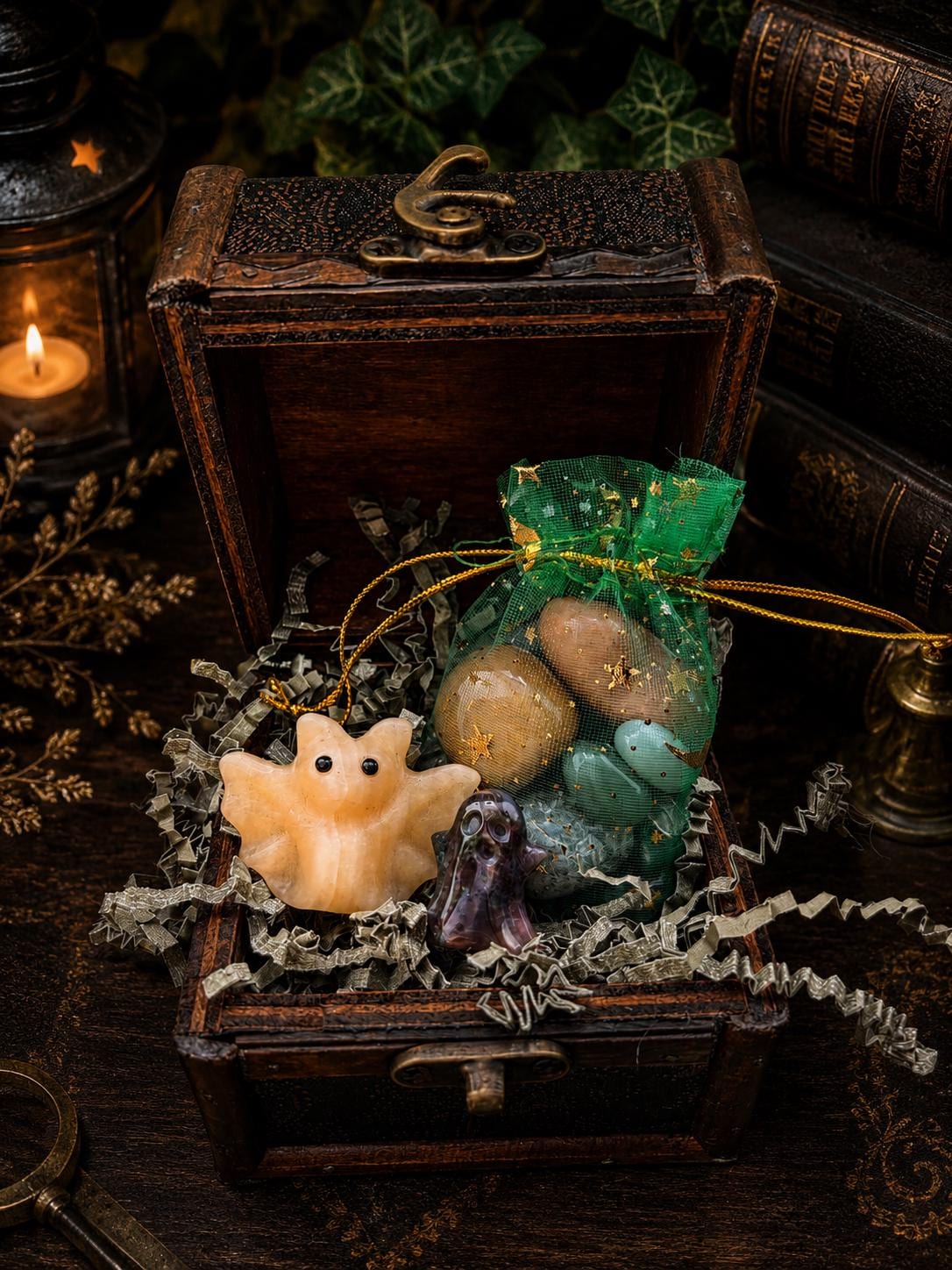
January babies, you were given the ember in the dark month — the calendar knew what it was doing. My garnet pieces ship with their own Garnet spell scroll.
Caring for your garnet
☾ Hard and dependable — water-safe for a rinse and unbothered by daily life. Cleanse however you like; garnet isn’t precious about it.